Insights · 5 Aug 2026 · 3 min read
Dating App Burnout Builds Slowly, and a New Study Mapped the Curve
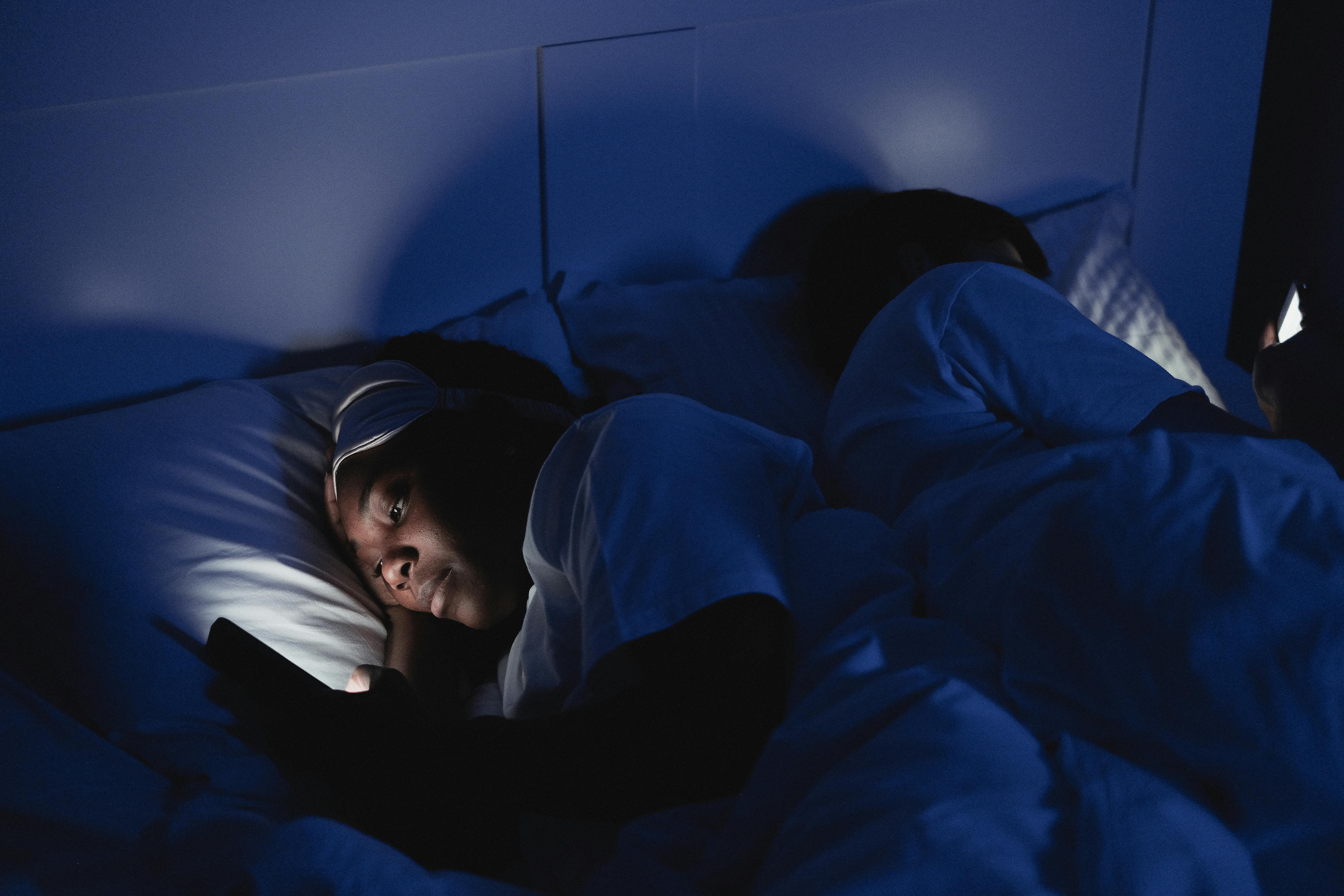 Photo: SHVETS production, via Pexels
The 12-week study that tracked burnout as it happened
Most dating app research asks people how they feel right now and calls it a day. A team at Arizona State University did something harder: they followed 493 single dating app users across four surveys over 12 weeks, then ran the numbers through multilevel growth curve models to see how burnout actually moved over time, not just where it sat at one moment.
The study, published in New Media & Society by Liesel Sharabi, Paige Von Feldt, and Thao Ha, found that emotional exhaustion and a sense of inefficacy, essentially, feeling like nothing you do on the app is working, both climbed the longer people stayed active. Depression, anxiety, and loneliness made that climb steeper. And people who already showed signs of problematic app use burned out faster on the exhaustion side, though curiously not on the inefficacy side.
Only 190 of the original 493 participants completed all four waves, a dropout rate the researchers note is itself suggestive. People don't always quit a study because they got busy. Sometimes they quit because the thing the study is about became too much to keep looking at.
Burnout doesn't announce itself, it accumulates
Here's what makes the growth curve finding more interesting than a single "dating apps are draining" headline: burnout wasn't a fixed trait some people had and others didn't. It built up across the 12 weeks. That means if you'd only surveyed these same people once, at week one, you'd have badly underestimated where a lot of them would end up by week twelve.
That's a hard thing to notice from inside your own head. Nobody wakes up and thinks "I am 40% more emotionally exhausted by this app than I was three weeks ago." What you actually notice, if anything, is that you're opening the app less, replying slower, or letting matches go stale. Behavior shifts before the feeling gets named.
This is the part that overlaps with what RizzStats actually measures. The activity timeline built from a user's own Tinder or Hinge export shows swiping and messaging activity over time, and reply rate tracks how consistently someone follows through on the conversations they start. Neither of those numbers is a burnout score. But a reply rate that's been quietly sliding for a few weeks, or a timeline that shows swiping bursts getting shorter and further apart, is exactly the kind of pattern the ASU data suggests would show up before someone consciously clocks that they're fried.
Match count was never the whole story
It's worth sitting with what the study didn't find, too. Nowhere in the burnout model does raw match volume show up as the thing that determines how depleted someone feels. It's exhaustion and inefficacy, the sense that the effort isn't converting into anything, that erodes people. That tracks with something dating app users often intuit but rarely say out loud: a stack of matches you never talk to isn't a win, it's homework.
A reply rate metric gets at that gap more directly than a match count does. It's a rough proxy for how much of your matching activity is actually turning into conversation, which is closer to the "am I getting anywhere" question the ASU researchers were measuring than "how many people swiped right on me" ever was.
What to actually do with this
The study doesn't hand out a fix, and neither does a personal activity export. But the finding is a decent argument for treating your own dating app usage the way you'd treat any pattern you can't fully feel from the inside: check it against the data occasionally instead of only your mood in the moment.
If your reply rate has been dropping for a month and your swiping sessions have gotten shorter, that's not proof you're burned out in the clinical sense the researchers measured. It's just information your gut usually gets to only after the fact. Twelve weeks is a long time to not notice you've changed.