Insights · 4 Jul 2026 · 3 min read
Gen Z Isn't Swearing Off Love, It's Swearing Off $200 Dates
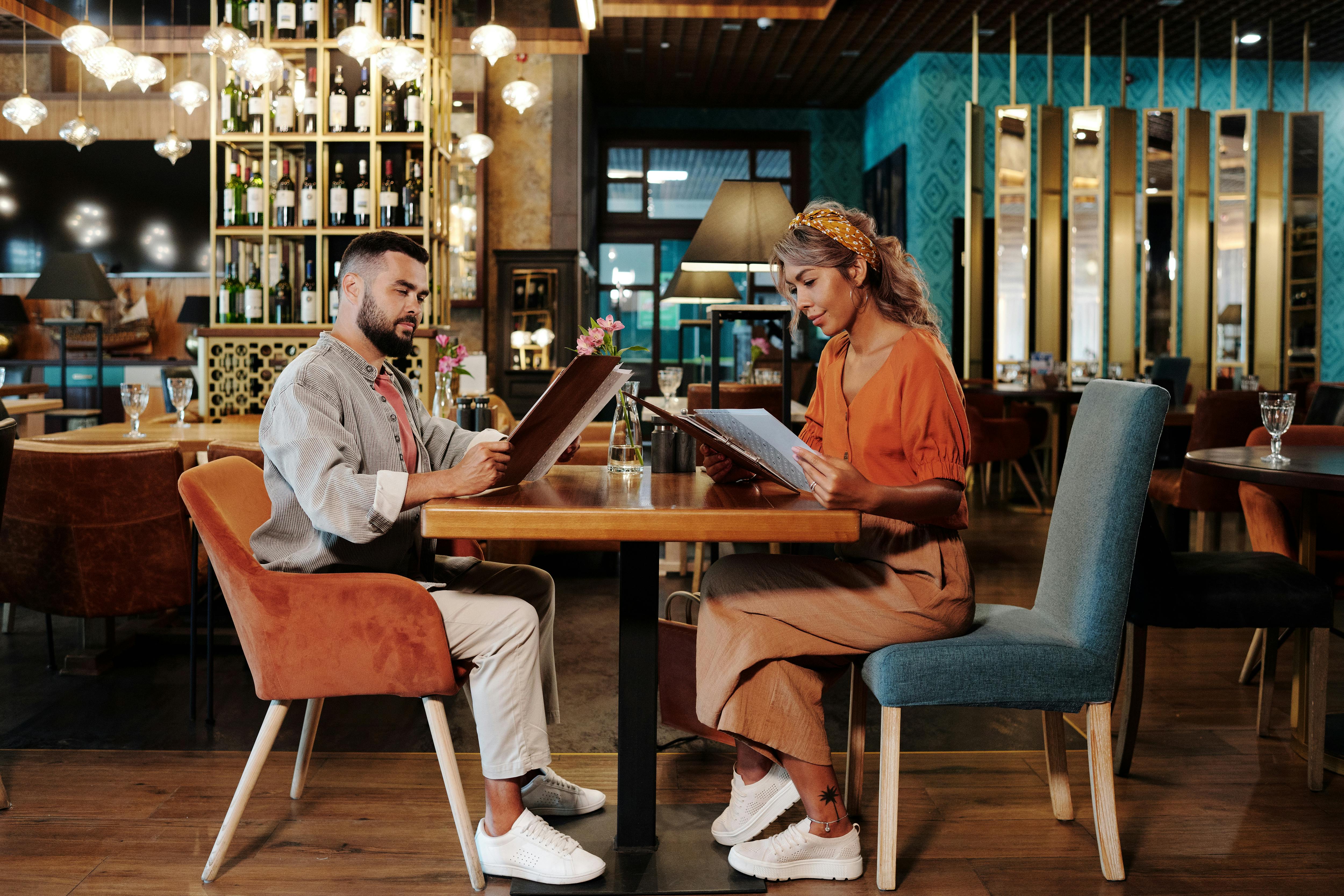 Photo: Jep Gambardella, via Pexels
There's a new label going around for a very old feeling: being single and, for once, not treating it like a waiting room. TikTok and finance press have started calling it "solo-maxxing," and unlike most dating-trend names, this one comes with actual numbers behind it.
The math nobody wants to do on a first date
Bank of America's Better Money Habits survey, which polled over 900 Americans aged 18 to 28, found that 53% of Gen Z men and 54% of Gen Z women spend $0 a month on dating. Not "spend less." Zero.
It's not that they've stopped wanting to date. It's that dating got expensive fast. Fortune reported the average all-in cost of a US date, covering dinner, drinks, transport and the pre-date haircut or blowout, has climbed to around $189, up more than 12% in a single year. Gen Z daters reported spending closer to $205 per date, millennials $252. Restaurant prices are up 31% since 2020, which is the blunt reason a casual dinner date now feels like a financial decision instead of a Tuesday plan.
CNBC found the same pattern in its own reporting this spring: young Americans are dating less in 2026 specifically because cost and app fatigue are compounding each other. If a date costs real money and there's no guarantee of a second one, plenty of people are deciding the math doesn't pencil out.
From "crush recession" to "solo-maxxing"
This isn't the first name this mood has gotten. Late last year, people on TikTok started describing a "crush recession," the sense that they'd stopped getting butterflies over anyone at all. That framing was mostly vibes and anecdote. The 2026 version has receipts: a MyIQ survey found nearly half of adults 18 to 34 said being single felt more peaceful than being in a relationship, and 46% said dating apps have made relationships feel disposable. Fortune also cited a figure that's easy to miss: 86% of 18-to-24-year-olds in the US are currently single.
The behavior shift is showing up in small, practical ways too. A recent Yahoo Finance segment described people restricting their search radius to essentially walking distance, cooking at home instead of going out, or downgrading a dinner date to coffee, all to keep a first meeting from becoming an expensive gamble.
Therapists quoted across this coverage are split on what it means. Some frame solo-maxxing as a legitimate reset, choosing stability over a treadmill of expensive, low-return dates. Others warn it can shade into avoidance dressed up as self-care, especially since chronic isolation carries its own well-documented health costs. Both can be true for different people, which is probably why the label has spread as fast as it has.
Where that leaves the math for you
None of this means dating apps are dying. People are still on them, arguably more selectively than before. But when a date is a bigger financial bet than it used to be, it's worth knowing your own numbers before you commit to one. That's a smaller ask than it sounds: your own Tinder or Hinge export already contains it.
If you upload your data to RizzStats, it turns that export into your actual match rate, reply rate, and activity over time, no account required. It won't tell you who's worth a $200 dinner. But if half your matches never turn into a real conversation, that's useful to know before you're the one calculating the tip on an $80 check that went nowhere.