Guides · 5 Jul 2026 · 3 min read
How to Actually Read Your RizzStats Rizz Score (Without Obsessing Over It)
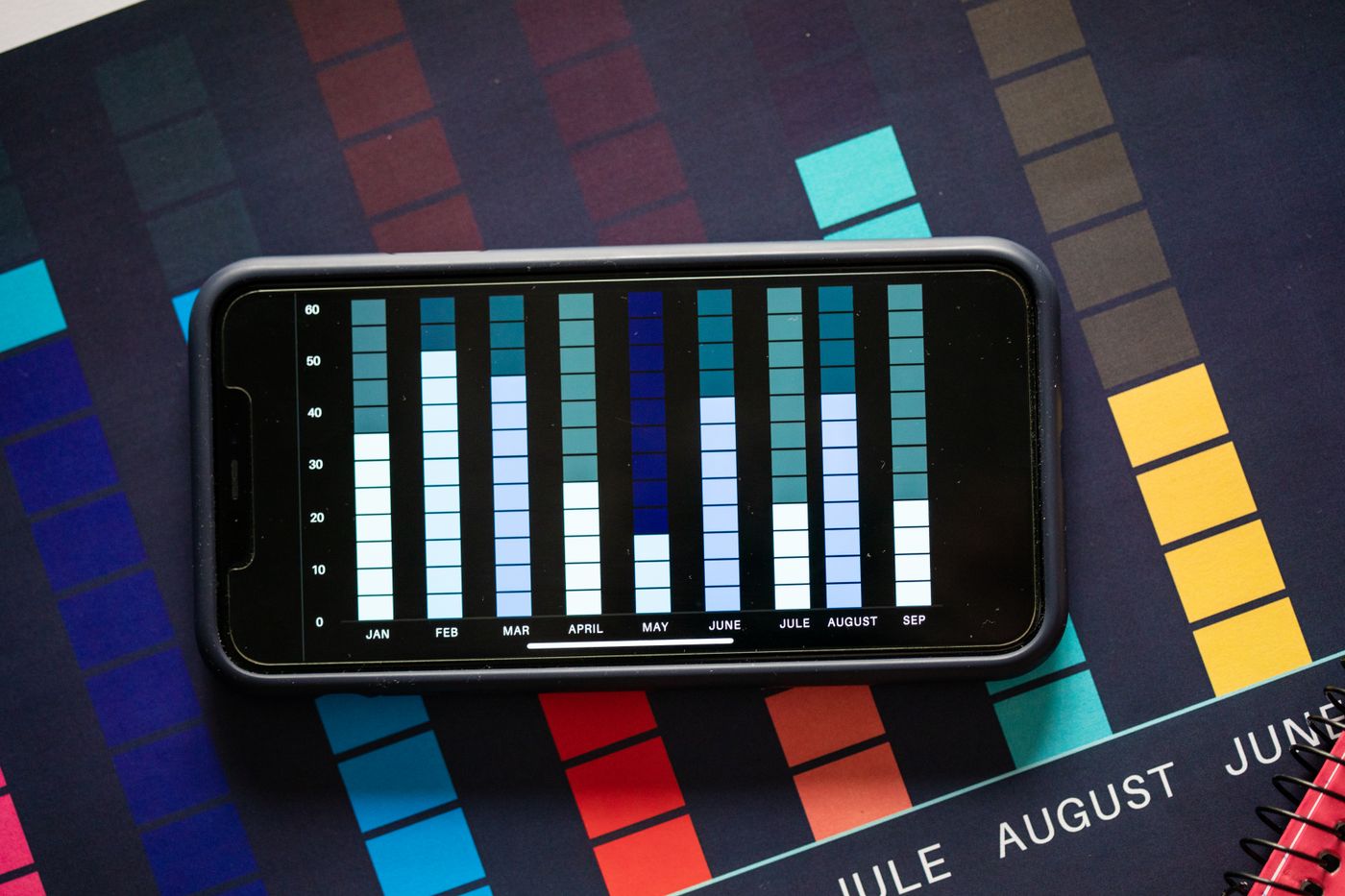
You uploaded your Tinder or Hinge export, waited a minute, and got a number. Now what?
Here's how to actually use RizzStats without turning your dating life into a spreadsheet you can't stop refreshing.
Start at /upload, not with expectations
The whole process begins at /upload, where you drop in your raw data export from Tinder or Hinge. RizzStats doesn't ask you anything about yourself first — no quiz, no self-reported preferences. It just reads what already happened: your matches, your messages, your timestamps. That matters, because it means your Rizz Score isn't a personality test. It's a mirror.
What actually feeds the Rizz Score
The score isn't one metric dressed up — it's a blend of four things RizzStats calculates directly from your export:
- Match rate — how often swipes turn into matches
- Reply rate — how often matches turn into actual conversation
- Activity timeline — when and how often you're active on the app
- Streaks — consistency over time, not just isolated good weeks
Each of these tells you something different. Match rate is mostly about your profile and who you're swiping on. Reply rate is about what happens after the match — your opener, your timing, your follow-through. The Rizz Score folds all of it into a single composite so you're not juggling four dashboards in your head.
Why one number feels so satisfying — and why that's worth being careful about
There's a reason products like Spotify Wrapped get shared millions of times every December: research on the feature notes that Spotify Wrapped hooks us with precise numbers, tapping into a psychological insight that we're drawn to quantitative comparisons , and that seeing exact stats makes our journey quantifiable and comparable, turning it into a measurable part of our identity , according to Irrational Labs. Your Rizz Score works on the same psychological hook. A single number is easy to remember, easy to compare, easy to screenshot.
That's also exactly why it's worth reading carefully instead of reflexively. A 2025 meta-analytic review of self-quantification research found that self-quantification can deteriorate well-being by reducing sleep quality, reducing enjoyment, and increasing anxiety , particularly when goals remain unachieved and consumers feel stressed out by the objective data , per Psychology & Marketing. None of that is unique to dating apps — it's just what happens when people track any part of themselves obsessively. A low score one week isn't a verdict on your worth; it's a snapshot of a specific stretch of swiping.
How to actually use it
Three practical habits:
- Check it after a full cycle, not after a single match. The activity timeline exists precisely so you can see whether a bad week was a fluke or a pattern.
- Look at reply rate before match rate. A high match rate with a low reply rate usually means the profile is working but the follow-through isn't — that's a fixable, specific problem, not a vague "bad luck" one.
- Use streaks to catch drop-off, not to gamify effort. A broken streak isn't a failure. It's just data showing you went quiet for a stretch, which is useful to know if you're wondering why matches went cold.
The Rizz Score is a starting point for a conversation with your own data, not a grade. Treat it like a check-engine light: useful when it changes, ignorable when it doesn't.


