Insights · 3 Jul 2026 · 3 min read
What your reply rate actually measures (it's not who ghosted you)
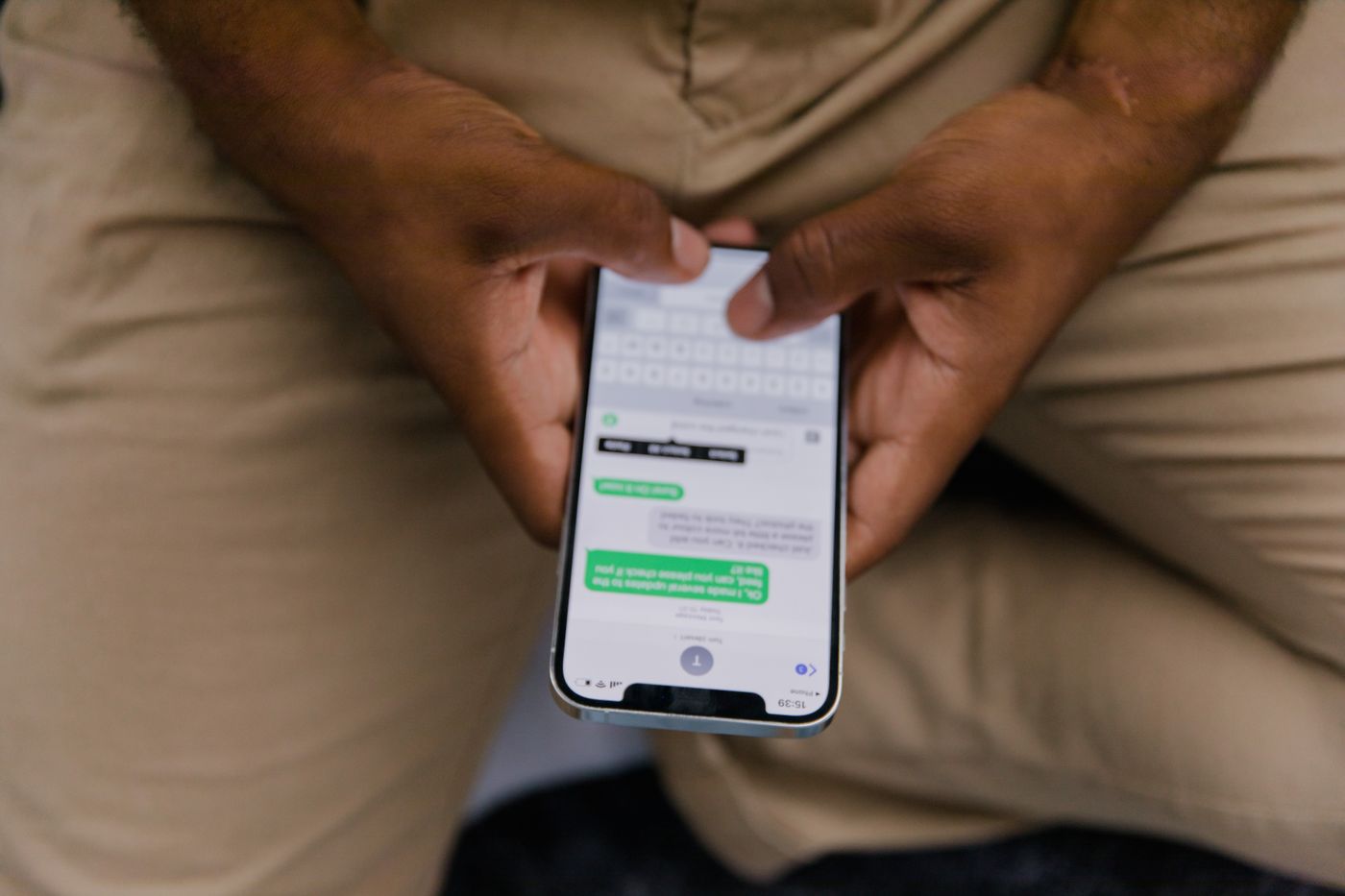
Reply rate sounds like it should answer one question: how often do people reply to me? On RizzStats, it doesn't. It answers a different, more useful one, and mixing the two up is the easiest way to misread your own numbers.
What it actually measures
Reply rate is matches where you sent at least one message, divided by your total matches. If you got 40 matches and actually messaged 22 of them, your reply rate is 55%. It's not about whether the other person wrote back. It's about whether you did.
The reason is structural, not a design choice: Tinder and Hinge data exports only contain the messages you sent. The other side of every conversation is the other person's data, not yours, so neither export includes it. That also means the median-response-time figure some analytics tools promise stays null on RizzStats for Tinder, since there's no incoming message timestamp to measure a gap against. Reply rate is the honest version of that idea: not "how fast did they answer," but "did you actually follow up, or did the match just sit there."
Why that's the more useful number anyway
It's tempting to want a ghosting score, some stat that tells you how often you got left on read. But that number would only describe other people's behavior, which you can't change. Reply rate describes yours, which you can.
And follow-through matters more than it seems. Hinge, whose whole product is built around prompts and messaging, has published its own numbers on this: daters are twice as likely to go on a date when a like includes a message, and 72% of daters say they're more likely to consider a match that opened with something more than a bare like. A match with no message attached is, by their own data, a much weaker start than one with even a short opener. Separately, Pew Research has found the imbalance runs in both directions: 64% of men say they've felt insecure over how few messages they received, while 54% of women say they've felt overwhelmed by how many they got. A match that never gets a message from either side is an easy way to end up on the quiet end of that gap.
What a low reply rate usually means
If your reply rate is low, it's rarely because you're getting uniquely unlucky matches. More often it's one of:
- Match backlog. You're swiping faster than you're messaging, and matches pile up until they go stale.
- Opener friction. You match, then freeze on what to say, and the moment passes.
- Match quality. You're matching with people you weren't that interested in to begin with, so following up never feels worth it.
Each of those points to a different fix: clearing your queue, having a default opener ready, or being more selective about who you like in the first place. None of them are fixed by knowing whether someone ghosted you.
Check your own number
Reply rate shows up automatically once you upload your Tinder data.json
or Hinge matches.json + account.json — no account required.
It's tracked alongside your match rate and monthly activity, so you can see
whether your follow-through has been trending up or down over time, not
just what it looks like this month. If you want to compare it against a
future export, RizzStats share links let you keep a snapshot to
look back on later.


