Insights · 5 Jul 2026 · 3 min read
Why Swiping More Makes You Reject More
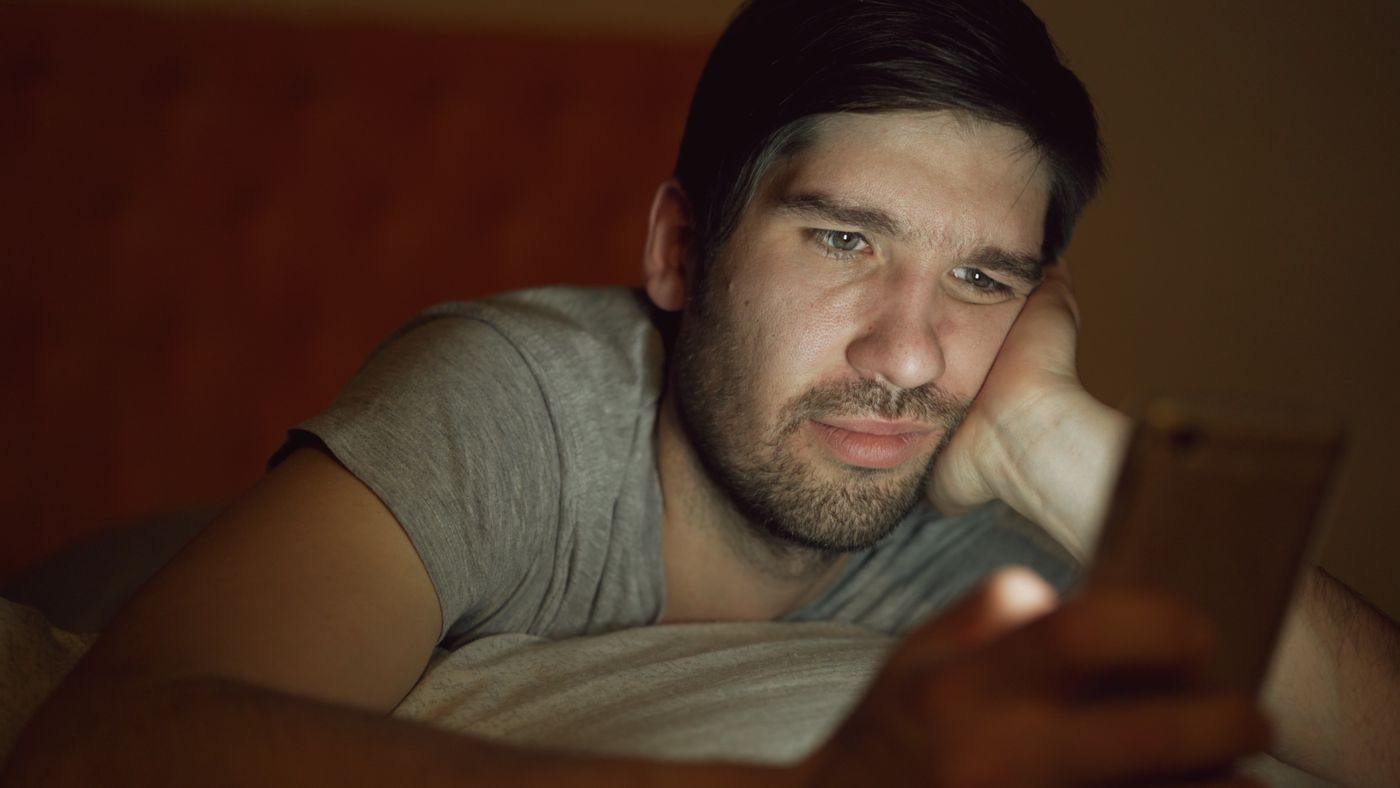
Here's a pattern worth knowing about yourself: the longer you swipe in one sitting, the pickier — and harsher — you get.
Not because your taste changes. Because your brain does.
A study by researchers Pronk and Denissen tracked what happens to people's judgment as they move through a stack of dating profiles. The finding: people got steadily less likely to accept a profile the further they got into a session, even when profile quality didn't change. Their research found that the likelihood of accepting a match declined by 27% from the first profile viewed to the last — what they called a "rejection mind-set." The more options your brain has already filed past, the more it treats every new one as disposable.
This is choice overload, and it's not unique to dating apps — it's the same mechanism that makes picking jam at a grocery store harder when there are 30 flavors instead of 6. Except here, the "products" are people, and the cost of getting numb to them is measured in loneliness, not regret over a purchase.
The burnout is showing up in the data
It's not just an academic theory anymore — it's showing up in how people talk about dating apps. A 2025 Forbes Health survey found that 78% of dating app users report some degree of burnout, with ghosting (41%), catfishing (38%), love bombing (27%) and gaslighting (26%) all cited as contributing experiences. Dating app burnout itself has become something researchers study directly — it's defined as the experience of chronic stress from engaging in online dating, with real implications for emotional, physical, and cognitive well-being.
The downstream effect is visible off the apps, too. U.S. search interest in "matchmaker" nearly doubled between January 2025 and January 2026, and one matchmaker interviewed put it bluntly: younger clients aren't anti-dating, they're anti-burnout — the complaint isn't too few matches, it's too many, with too little behind them.
Why this messes with your confidence specifically
Choice overload doesn't just make you swipe left more. It changes how you feel about yourself while you do it. Research has linked the overwhelm of too many dating options to lower self-esteem and a heightened fear of being single, and separately, to higher dating anxiety and fatigue that made people less likely to pursue connections at all — the very opposite of what the apps are supposed to help with.
That's the trap: the app promises more options will get you closer to a match. Instead, more options past a certain point make your judgment worse and your self-image shakier, at the same time.
What actually helps
The research on this is consistent enough that the fix isn't complicated, even if it's unglamorous:
Cap your sessions. If rejection-mindset kicks in progressively within a single sitting, the fix is structural, not willpower-based. Ten focused minutes beats forty scattered ones.
Notice your own pattern, not just your outcomes. If you've uploaded your Tinder or Hinge export to RizzStats, your activity timeline is the more useful thing to look at here — it's less "how many matches did I get" and more "when did I actually show up, and for how long." Long, sprawling sessions and short, frequent ones produce very different swiping brains, even if your match rate looks the same on paper.
Take the break seriously. Not as a defeat, but as the actual intervention the research points to. Burnout isn't a sign you're bad at dating apps. It's a sign your decision-making system needed a reset three profiles ago.
None of this means your standards are wrong, or that the person you rejected on swipe #80 wasn't worth a second look. It means the tool you're using to evaluate them was already worn down before you got there. That's worth knowing before you decide what your swiping says about you — or them.


