News · 13 Jul 2026 · 3 min read
Dating Apps Have a Trust Problem. LinkedIn Is Quietly Filling the Gap.
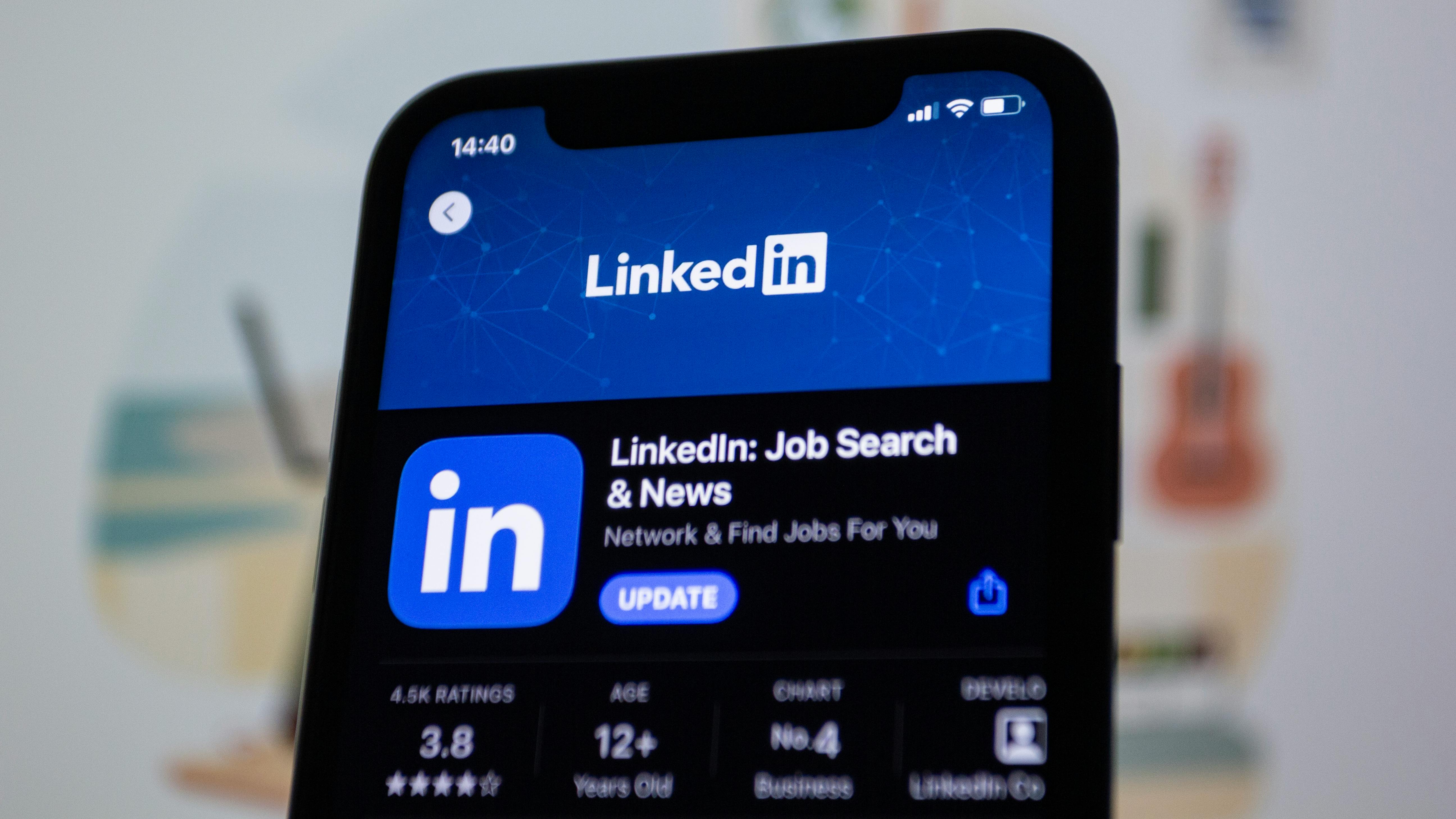 Photo: Bastian Riccardi, via Pexels
The resume is the new bio
Dating apps built entire businesses on the idea that a profile, some photos and a few prompts, is enough to decide whether someone's worth meeting. A new survey out this month suggests a lot of people no longer buy that, and they're quietly turning to LinkedIn instead.
Zety, the resume-building company, polled just over 1,000 U.S. employees for what it's calling its LinkedIn Romance Report, and the numbers are more striking than a career site's dating survey has any right to be. One in five respondents said they've used LinkedIn to research someone they met on a dating app or in real life. One in eight said they've actually started a romantic relationship that began on the platform, according to coverage from CPA Practice Advisor.
The part that should worry Tinder, Hinge and Bumble isn't the flirting. It's the reason people gave for doing it: 48% said they find LinkedIn profiles more trustworthy than what's on a dating app.
Why a resume beats a bio
Jasmine Escalera, a career expert at Zety, put it plainly: "The appeal of LinkedIn in the dating world really boils down to accountability. On a dating app, you can be anyone, but on LinkedIn, your history is public and your network is watching. That transparency creates a sense of safety that's currently missing from the 'swipe' culture."
That's a real problem for an industry that's spent the last year trying to convince users it's cracked down on catfishing and bots. Tinder rolled out Face Check verification nationwide last fall specifically to address this kind of doubt. It clearly hasn't fully landed, or people wouldn't be improvising their own background checks with someone's job history and mutual connections.
The behavior isn't limited to snooping, either. Respondents said the things that actually move the needle on LinkedIn are profile photos (57%), personality that comes through in an About section (55%) and shared connections (41%), the same signals people are supposedly already getting from a dating profile, just with a professional paper trail attached.
But nobody wants LinkedIn to become Tinder
The catch is that almost everyone using LinkedIn this way also wants to keep it walled off. 65% of respondents said dating on LinkedIn could hurt someone's professional reputation, and 74% said unsolicited romantic messages cross a line. Only 26% called dating on the platform acceptable outright, even though 22% admitted to having sent a romantic message there anyway. People want the credibility of a professional profile without the professional network finding out they're using it that way.
That tension is the real story. It's not that LinkedIn is becoming a dating app, Microsoft has shown no interest in that, and the backlash data here says users would resist it anyway. It's that Tinder, Hinge and Bumble bios have stopped being trusted as a complete picture, so people are stitching together a fuller one from wherever they can, resumes included.
For an industry that's already fighting to prove its safety features work, that's not a great signal. A verified badge or an AI-scanned selfie can confirm someone is who they say they are. It can't tell you whether the job title in their bio is real, or whether their "director of vibes" era matches up with an actual LinkedIn history. Apparently, a lot of daters have decided that's worth checking themselves.